Search

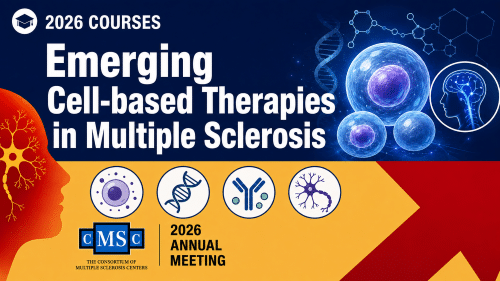
Emerging Cell-based Therapies in Multiple Sclerosis Symposium

Presented by 

Daniel Reich, MD, PhD
Activity Overview

Year

2026

CREDIT HOURS

2.75

CREDIT/S AVAILABLE

AAPA, ACPE, ANCC, APA, ASWB, CME, RD, IPCE, Certificate of Completion

Level of Information

Advanced

Duration

Course Duration: 2h38m

Track/s

Categories 2026, Science of MS
$97.00

About This Activity

Nature continues to demonstrate that the human body can produce cells capable of modifying and treating a variety of conditions, including autoimmune diseases such as MS. Advances in technology enable the isolation, purification, and modification of these cells to harness their unique properties. In this session, we discuss ongoing efforts to develop cells that may replace those affected by MS, including oligodendrocytes and other neural cells. The ability to harvest purified stem cells to replenish a diseased or ablated immune system continues to support the use of transplantation as a treatment for aggressive disease or MS that is refractory to standard therapies. In addition, the ability to modify immune cells by reengineering T-cell receptors (CAR-T) opens the door to more antigen-specific therapies and the development of cells capable of crossing into the CNS to identify and target disease-related processes.

Target Audience

  • This activity has been designed to meet the educational needs of physicians, advanced practice clinicians, nursing professionals, pharmacists, psychologists, social workers, rehabilitation specialists, dietitians, researchers, advocates, and other members of the healthcare team involved in the management of patients with MS.

Learning Objectives

  • Review the current understanding of diagnostic criteria, phenotypes, and variants of MS and other neuroimmune conditions to promote accurate diagnosis, initiation of appropriate therapy and monitoring of outcomes.
  • Identify the roles and interactions of genetics and epigenetics, the microbiome, environmental factors, age, comorbidities, and risk behaviors as factors contributing to pathogenesis and course of neuroimmune conditions including MS, MOGAD, NMOSD, and other disorders.

Course Content

Emerging Cell-based Therapies in Multiple Sclerosis

  • aHSCT Update
    43:39
  • Neural Stem Cells for the Treatment of MS
    33:22
  • CAR-T as a Potential Treatment
    42:06
  • Cell Replacement Therapy for MS
    37:15